 listicle
What Makes a Restaurant Experience Worth the Price? A Guide from Le Sud Chicago
Table of Contents
- How to Judge Whether Fine Dining Is Worth the Price
- What Goes Into the Price of an Upscale Restaurant Meal
- What to Expect at an Upscale Neighborhood Restaurant
- Restaurant Etiquette Doesn’t Have to Feel Intimidating
- How to Choose a Restaurant for a Special Occasion
- Plan for the Full Dining Experience
- Value Looks Different for Different Occasions
- What Makes a Dining Experience Worth It?
- Why does restaurant food cost more than the ingredients themselves?
- Conclusion: Deciding If Fine Dining Is Worth the Price for You
- Frequently Asked Questions
Last Updated: September 25, 2026
How to Judge Whether Fine Dining Is Worth the Price
Dining out is about more than the food on the plate. The value of a restaurant experience comes from the quality of the ingredients, the skill of the kitchen, the hospitality, the atmosphere, and the time guests get to enjoy together.
At Le Sud Mediterranean Kitchen in Roscoe Village, we believe a memorable meal should feel special without feeling overly formal. Whether it’s a date night, anniversary, family celebration, or simply a night out, value comes from how the entire experience comes together.
The Real Cost Drivers Behind a Fine Dining Check
Premium pricing at a fine dining restaurant reflects real overhead, not just a nicer room. Ingredient sourcing eats a large share: line-caught fish, aged proteins, and produce bought in small quantities cost more per plate than bulk purchasing. Kitchen labor is the second driver. A tasting menu requires more hands, more technique, and more time per dish than a casual kitchen can justify.
Front-of-house staffing adds another layer. Trained servers, a sommelier, and a service team that paces courses correctly all cost money. Add overhead costs like rent, insurance, and equipment maintenance, and the price point starts to make more sense.
That's the theory. Here's what it means when you're actually sitting at the table.
What Goes Into the Price of an Upscale Restaurant Meal
Restaurant pricing reflects much more than the cost of ingredients. Guests are also paying for skilled kitchen labor, experienced servers, preparation time, equipment, rent, utilities, insurance, and the hospitality required to deliver a consistent experience.
Higher-quality ingredients, seasonal sourcing, specialty products, careful preparation, and professional service all contribute to the final menu price.
At Le Sud, value comes from bringing those elements together in a neighborhood setting where guests can enjoy a polished experience without the formality of traditional fine dining.
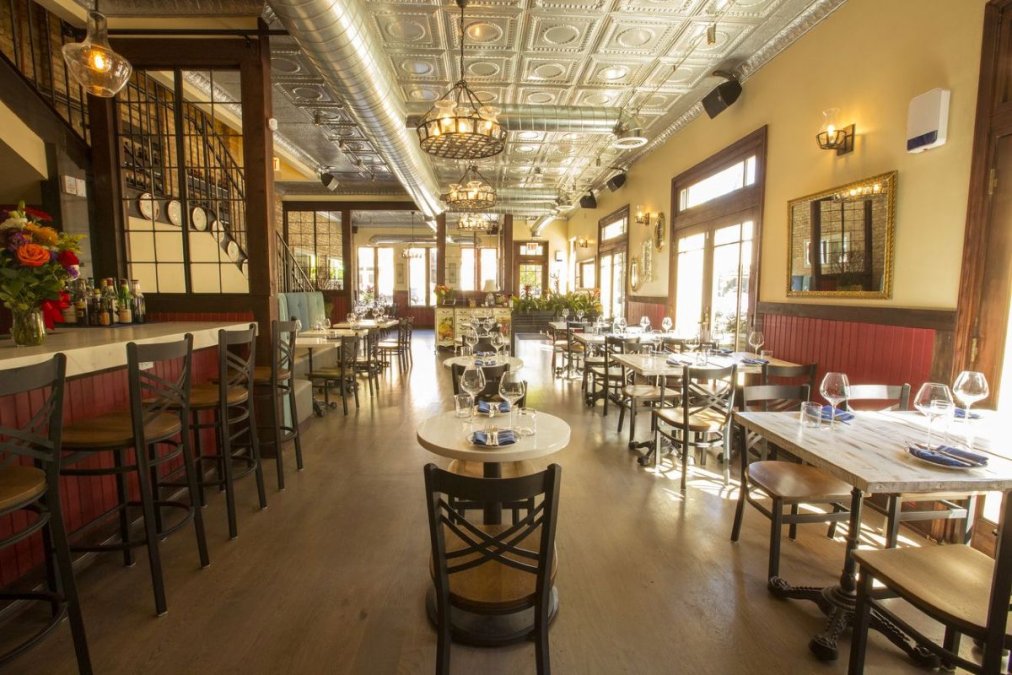
What to Expect at an Upscale Neighborhood Restaurant
A great upscale dining experience can be as simple or as leisurely as you want it to be.
Some guests may begin with cocktails or wine and shared appetizers, followed by individual entrées and dessert. Others may stop in for a few small plates and a bottle of wine.
The best restaurants allow the evening to match the occasion rather than forcing every guest into the same format.
A typical progression looks like this:
- Amuse-bouche: a single bite to open the palate
- Appetizer: a lighter first course, often seafood or vegetables
- Main course: the centerpiece, usually protein-led
- Cheese or palate cleanser: a bridge before dessert
- Dessert: often the most technical plate of the night
Portion size is the most common complaint from first-timers. The trade-off is that each plate is built for flavor and pacing, not volume. If you're hungry going in, that's a real consideration.
Restaurant Etiquette Doesn’t Have to Feel Intimidating
Upscale dining should still feel comfortable.
The most important things are simple: arrive on time, let your server know about allergies or dietary needs, ask questions if you’re unsure about the menu, and enjoy the experience at your own pace.
Good hospitality should make guests feel welcome, not tested.
How to Choose a Restaurant for a Special Occasion
Choosing a restaurant for a special occasion starts with matching the room to the moment. A milestone anniversary calls for something different than a birthday dinner with friends.
Ask three questions before you book:
- What's the occasion's tone? Romantic and quiet, or lively and social?
- Who's coming? A party with kids needs a different setup than a table for two.
- What matters most? Food quality, ambiance, or service?
- At Le Sud, different occasions may call for different experiences—from a table for two to a family celebration, patio dinner, private event, or birthday gathering.
Plan for the Full Dining Experience
When budgeting for a special dinner, remember that beverages, tax, gratuity, transportation, and optional extras such as dessert or corkage can affect the final total.
Reviewing the menu and policies ahead of time helps avoid surprises and lets guests focus on enjoying the evening.
Value Looks Different for Different Occasions
A restaurant can offer value in different ways depending on the evening.
A milestone celebration may call for multiple courses, wine, and dessert. A weeknight date might be a shared appetizer and a bottle of wine. Happy Hour may be the right choice for a more casual visit.
The goal is not to spend more—it is to choose an experience that feels right for the occasion.
Ways to Enjoy Le Sud at Different Price Points
Le Sud offers several ways to enjoy an elevated dining experience without every visit needing to be a major occasion.
Guests can join us for Happy Hour daily from 4–6 PM, enjoy half-price bottles of wine on Wednesdays, or choose our Tuesday three-course dinner for a more structured experience.
These options make it possible to enjoy French-Mediterranean dining in Roscoe Village in a way that fits different occasions and budgets.
Sustainability and ethical sourcing
Guests who care about sourcing can ask their server about seasonal ingredients, seafood, or specialty products. Restaurants with knowledgeable teams should be able to provide helpful information about key ingredients and preparations.
What Makes a Dining Experience Worth It?
Value in dining is personal. For some guests, it means celebrating an anniversary with wine and dessert. For others, it might mean sharing a relaxed weeknight dinner, discovering a new dish, or simply enjoying an evening without cooking at home.
At Le Sud Mediterranean Kitchen in Roscoe Village, our goal is to offer thoughtful French-Mediterranean food, warm hospitality, and an atmosphere that makes both everyday dinners and special occasions feel worthwhile.
Why does restaurant food cost more than the ingredients themselves?
Menu prices reflect far more than ingredient cost. Restaurants also have labor, rent, utilities, insurance, equipment, preparation, service, and other operating expenses. Food-cost percentages vary significantly depending on the restaurant and menu.
Conclusion: Deciding If Fine Dining Is Worth the Price for You
Value is personal. For some guests, a several-course dinner with wine pairing is the highlight of their month. For others, it's an occasional splurge reserved for real milestones.
Frequently Asked Questions
What should guests know about gratuity?
Gratuity practices vary by restaurant. Some restaurants add a service charge or automatic gratuity for certain party sizes or events, while others leave gratuity entirely to the guest. Always review the check before adding an additional tip.
What percent should you tip at a fine dining restaurant?
Tipping expectations at high-end restaurants typically range from 18% to 22% of the pre-tax total, with 20% being a common standard for solid service. At Michelin-starred or tasting menu establishments, some guests tip slightly higher to reflect the intensive service standards and the number of staff involved. Check whether a service charge or gratuity is already included on your bill before adding a tip, since some restaurants build it in automatically.
Is the cost of fine dining justified by ingredient quality alone?
Ingredient sourcing is only part of the story. Premium ingredients like fresh seafood, aged cheeses, or imported olive oil raise food costs, but they rarely account for the full price gap between casual and fine dining. Culinary technique, kitchen labor, front-of-house staffing ratios, and ambiance all contribute. When evaluating whether fine dining is worth the price, look at the whole experience, not just what is on the plate.
How do you determine if a restaurant is worth the high price tag?
Start by matching the restaurant to your occasion: a milestone celebration justifies a higher price point than a routine weeknight dinner. Then assess the price-to-value ratio across food quality, service standards, ambiance, and hospitality. Read recent reviews for consistency, ask about tasting menu options, and consider whether the experience delivers something you cannot easily recreate at home. A restaurant that nails all four dimensions tends to feel worth the cost.