 how-to
How to Host a Brunch for Large Groups
Table of Contents
- Plan Your Brunch Party: Date, Time, and Guest Count
- Brunch Food Ideas for a Crowd: Building Your Menu
- How Much Food to Serve at Brunch: Portion Sizing
- Make-Ahead Brunch Recipes: Prep Strategy
- Brunch Party Planning Checklist: Setup and Service
- Hosting Large Groups: Space, Seating, and Guest Flow
- Food Safety and Keeping Dishes Warm
- Frequently Asked Questions
Last Updated: October 20, 2026
Plan Your Brunch Party: Date, Time, and Guest Count
Learning how to host a brunch for large groups starts with the date, time, and an accurate headcount.
Send invitations two to three weeks ahead with a clear RSVP deadline, then follow up with stragglers.
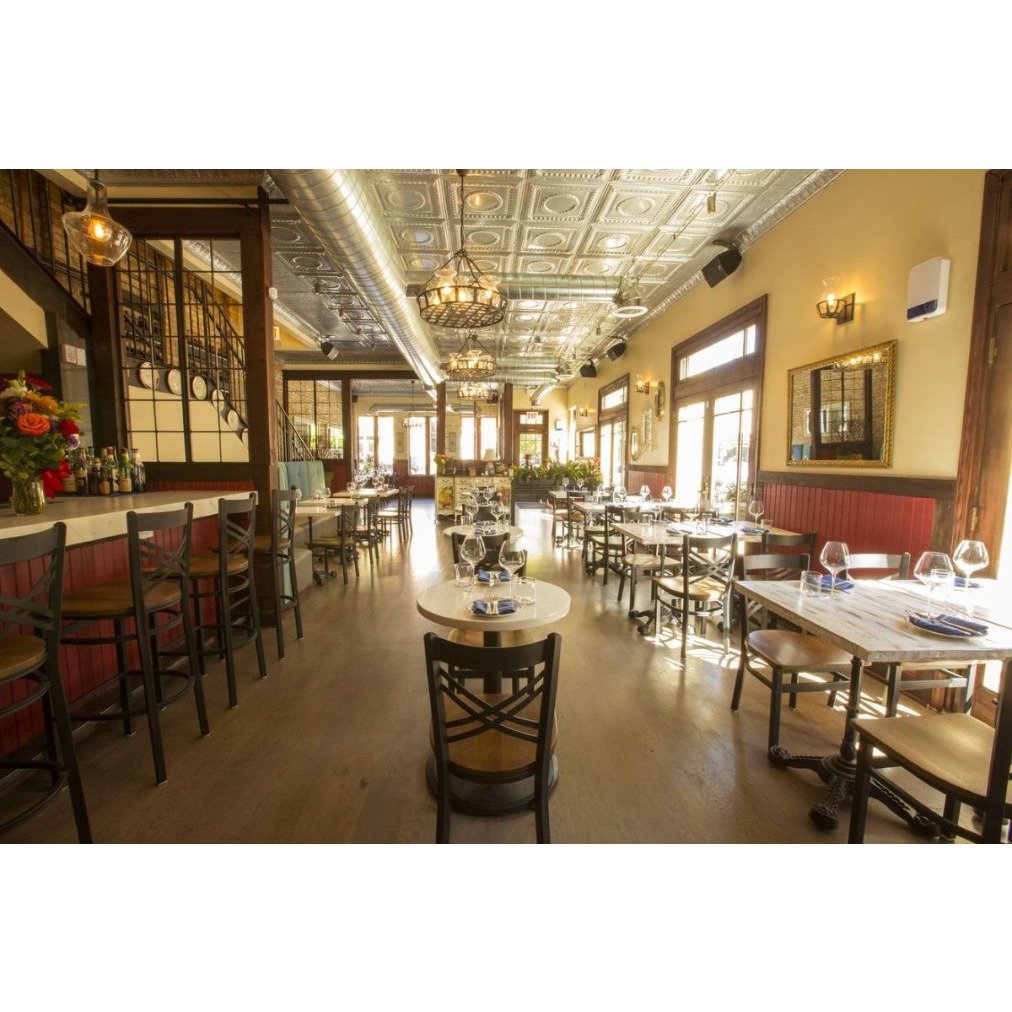
A large group needs room to move.
Confirm the final guest count three days before. A fresh headcount prevents overbuying and helps you adjust portions.
Brunch Food Ideas for a Crowd: Building Your Menu
The secret to feeding a crowd is balance: dishes that satisfy different tastes without last-minute cooking. Build around a main dish, sides, pastries, fruit, and finger foods.
Start with one strong entrée, an egg casserole, quiche, or savory breakfast pie feeds many and preps ahead. Everything else supports it.
Balance Sweet and Savory
Sweet items draw people in: croissants, Danish pastries, or muffins, plus a simple sweet dish like French toast, cinnamon rolls, or a fruit-based dessert.
Savory dishes keep people satisfied. Beyond your main egg dish, include smoked salmon, bacon, sausage, or ham, plus a vegetable side like roasted asparagus or a fresh salad.
Aim for roughly 60% savory to 40% sweet to keep the meal grounded while still offering indulgence.
Include Finger Foods and Easy Portions
Finger foods let guests graze and socialize, and they're easier to serve buffet-style.
Think small bites: cured meats, cheese boards, olives, nuts, fresh fruit, mini quiches or savory tarts, and bread or crackers for spreading.
Use small plates, small bowls, and bite-sized pieces. Smaller servings speed up service and encourage variety.
How Much Food to Serve at Brunch: Portion Sizing
Underfeeding creates stress; overfeeding wastes money and effort. The right amount depends on your courses and event length.
For a two-hour brunch with one main dish, sides, and pastries, plan for about 1.5 pounds of food per person, including protein, vegetables, bread, fruit, and pastries combined.
Break it down this way:
- Main dish (egg casserole, quiche): 4-6 ounces per person
- Protein sides (bacon, sausage, smoked salmon): 2-3 ounces per person
- Pastries and bread: 2-3 ounces per person
If your event runs longer than two hours or you're serving alcohol, increase portions slightly.
Round up slightly for safety, better extra than running out, and leftovers keep well.
Make-Ahead Brunch Recipes: Prep Strategy
The difference between a stressful brunch and a smooth one is a written prep timeline. Build it backward from your serve time and assign every dish to a slot: freezer, fridge, or morning-of.
The Week Before: Shop, Batch, and Freeze
Finalize your headcount and lock the menu seven days out. Then do the work that scales badly on the day:
- Shop in two trips. Buy shelf-stable items, beverages, and paper goods first; buy perishables, produce, and proteins two to three days before the event.
- Bake and freeze breads and pastries. Muffins, quick breads, scones, and cinnamon rolls freeze well for up to two months. Cool completely, wrap tightly, and freeze. Thaw overnight in the fridge and warm in a 300°F oven for 10-15 minutes.
- Make and freeze egg casseroles. Assemble unbaked casseroles in disposable pans, cover tightly, and freeze for up to one month. Thaw in the fridge for 24 hours before baking.
Two Days Before: The Heavy Prep Day
This is your biggest work block. Aim to finish 70-80% of the cooking here.
- Bake the egg casseroles and quiches if you are not freezing them unbaked. Cool completely, cover, and refrigerate for up to two days.
- Wash, chop, and store vegetables in airtight containers. Cut root vegetables and hardy greens now; hold delicate herbs and cut fruit until the day before.
- Cook proteins (bacon, sausage, roasted vegetables for salads) and refrigerate.
- Make dressings, sauces, and spreads. Vinaigrettes, hollandaise (hold warm, not cold), cream cheese spreads, and compound butters all keep 2-3 days.
The Day Before: Assembly and Chill
- Assemble fruit platters and cover tightly; hold in the fridge. Cut melon and citrus the day before, but leave berries and sliced apples until the morning to prevent mush and browning.
- Set the table and stage serving pieces. Pull out platters, chafing dishes, slow cookers, utensils, and labels, and sanitize everything now.
- Mix cocktail bases (mimosa juice blend, Bloody Mary mix) and refrigerate; add alcohol at service.
- Slice smoked salmon and store covered in the fridge.
The Morning Of: A Three-Hour Countdown
Work backward from your serve time. For a noon brunch:
- 9:00 a.m., Oven on. Preheat to 350°F. Pull casseroles and quiches from the fridge to take the chill off.
- 9:15 a.m., Bake. Reheat casseroles and quiches 20-30 minutes until the center reads 165°F. Warm breads and pastries at 300°F for 10-15 minutes.
- 9:45 a.m., Proteins and sides. Reheat bacon and sausage on sheet pans. Toss salads with dressing at the last possible minute.
- 10:30 a.m., Buffet setup. Arrange platters, utensils, plates, napkins, and labels. Fill chafing dishes with hot water and light the fuel; preheat slow cookers.
What Not to Make Ahead
Some dishes do not survive the fridge. Hold these for the morning: fried eggs, poached eggs (unless you use the vinegar-water hold method and reheat in simmering water), delicate greens dressed ahead, sliced avocado, and anything with a crisp crust that will go soggy. If a dish cannot be made ahead, cut it from the menu or assign it to a helper.
Brunch Party Planning Checklist: Setup and Service
A smooth brunch relies on smart setup, how you arrange space and service affects flow and satisfaction.
Buffet and Self-Serve Station Layout
Label dishes, especially those with common allergens. A small card saying "Contains nuts" or "Dairy-free option" helps guests make informed choices.
Create a separate beverage station to prevent congestion. Stock coffee, juice, water, and any brunch cocktails, and let guests serve themselves.
Use serving utensils for everything. Provide small plates for appetizers and larger plates for the main course.
Beverages: Coffee, Juice, and Brunch Cocktails
Fresh juice matters. Orange and grapefruit are classic; freshly squeezed if possible, bottled served cold otherwise.
Provide still and sparkling water, guests drink more than you'd expect, especially with alcohol present.
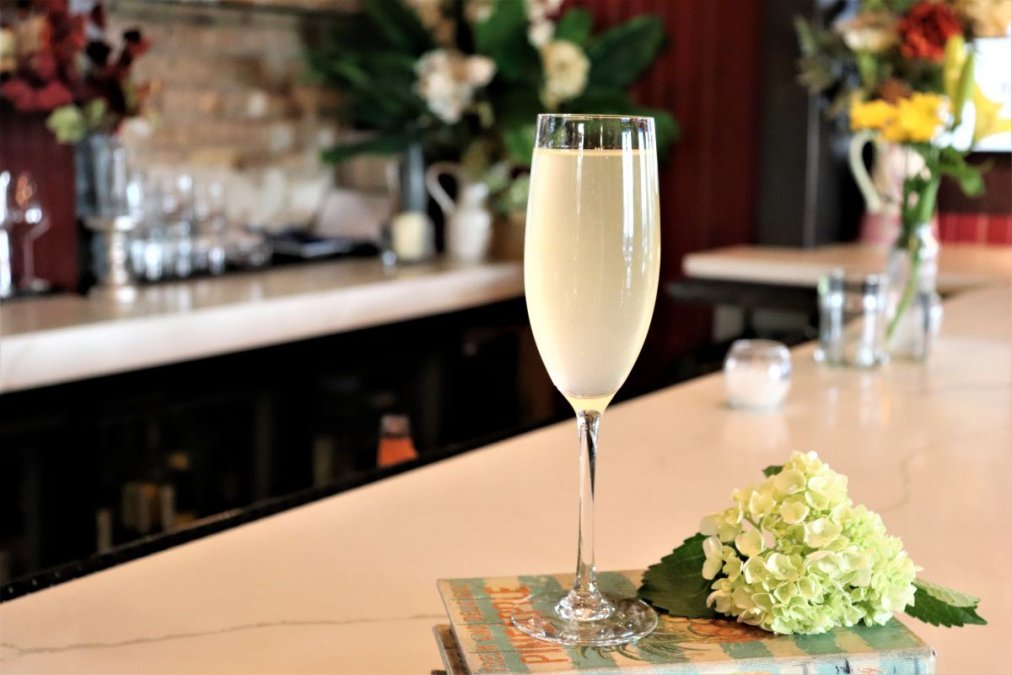
Brunch cocktails elevate the experience. Mix mimosa or Bloody Mary bases ahead in pitchers and let guests customize.
Non-alcoholic options are crucial, flavored sparkling water, fresh lemonade, or herbal iced tea, made as appealing as the cocktails.
Dietary Restrictions and Allergen Awareness
Label all dishes clearly, marking which contain nuts, dairy, gluten, or other common allergens.
Prepare at least one vegetarian main dish alongside your primary entrée.
Offer gluten-free bread or crackers if you're serving bread. Many guests appreciate this option without needing to ask.
Keep printed ingredient lists nearby; guests with severe allergies need exact ingredients, and a simple list prevents confusion.
Hosting Large Groups: Space, Seating, and Guest Flow
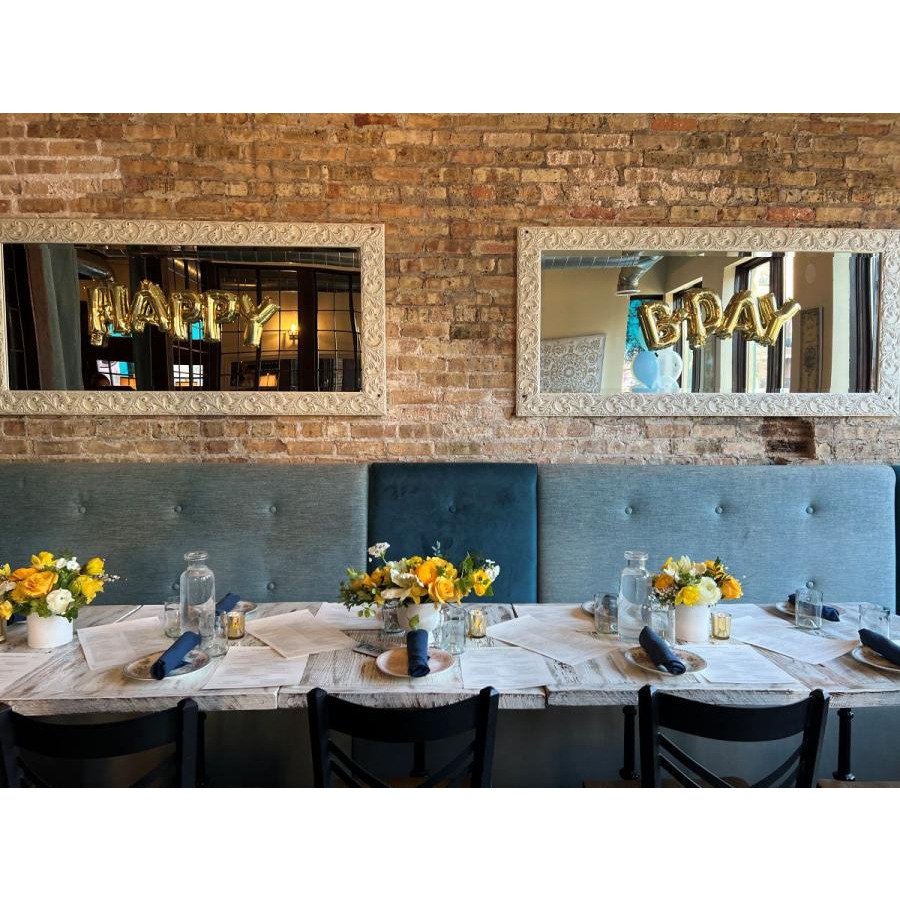
Arrange seating in clusters rather than long rows.
Create clear pathways so guests move from the buffet to seating without navigating around furniture or other people.
Use standing space strategically. High-top tables near the buffet work well for guests who want to eat standing up while socializing.
Keep the beverage station accessible but separate. Guests will refill drinks multiple times.
Food Safety and Keeping Dishes Warm
Food safety is the part of large-group brunch hosting no one wants to think about until something goes wrong. With a buffet, food sits out for hours, so treat the two-hour rule as the backbone of your service plan.
The Temperature Rules That Matter
- Hot food must hold at 140°F or above. Use an instant-read thermometer to check the thickest part of casseroles, quiches, and proteins before they go out and every 30-45 minutes during service.
- Cold food must hold at 40°F or below. Nest cold platters in bowls of ice, and replace the ice as it melts.
- The two-hour rule: perishable food left in the temperature danger zone (40°F-140°F) for more than two hours should be discarded. In hot weather or a warm room, cut that to one hour.
- Cool leftovers fast. Don't put a hot casserole straight into the fridge; divide it into shallow containers so it cools to 40°F within two hours.
Holding Hot Dishes Without Overcooking
Chafing dishes, slow cookers, and warming trays are your workhorses. A few mechanics make them reliable:
- Preheat the water bath. Fill chafing dishes with hot (not boiling) water and light the fuel 15-20 minutes before food goes in. Cold water never reaches holding temperature.
- Use slow cookers on Warm, not Low. Low keeps cooking egg dishes and dries them out; Warm holds at roughly 165°F-175°F, safe without overcooking.
- Stir occasionally. Hot and cold spots form in chafing dishes; a stir every 30 minutes evens out temperature.
- Replenish in small batches. Swap the whole pan rather than dumping fresh food onto a half-empty one; mixing fresh with food that has been sitting out is a common source of illness.
Cold Service and Cross-Contact
Cross-contact is the quiet risk at a buffet, especially for guests with allergies.
- Give every dish its own utensil. Never let one tongs serve two dishes. Color-code or label utensils if you can.
- Separate allergen-heavy dishes. Put nuts, shellfish, and dairy-heavy items at the end of the line or on a separate table, and label them clearly.
- Use a dedicated serving set for gluten-free bread and keep it in its own basket or plate, away from regular bread.
- Provide small plates for shared spreads so guests aren't dipping into communal bowls with their own utensils.
Replenishment and Discard Schedule
Build replenishment into your timeline rather than reacting to empty platters:
- Every 30-45 minutes: check hot-holding temperatures and stir hot dishes.
- Every 60 minutes: refresh ice on cold platters and swap out any dish that has been out for an hour.
- At the two-hour mark: pull perishable items that have been in the danger zone and discard them. Don't try to save them by moving them to the fridge.
- Keep backup pans of casseroles and proteins warm in the oven at 200°F so you can swap in a fresh pan without a gap in service.
A Simple Setup That Makes Safety Automatic
Arrange the buffet so safety is built into the layout: hot dishes together under chafing dishes, cold dishes together on ice, and a small thermometer station at the end of the line. Label every dish with its name and allergens, and keep a printed ingredient list nearby for guests with severe allergies. When the setup does the work, you can host instead of hovering.
Frequently Asked Questions
How much food should you plan per guest when hosting a brunch for a large group?
Plan 1.5 to 2 cups of food per person for a 2-3 hour brunch. This includes a main dish (3-4 ounces), two sides (2-3 ounces each), fruit, and pastries. For a crowd, offering a mix of hearty entrées like breakfast casseroles and lighter options like fruit and pastries ensures variety without waste.
Which brunch dishes can you prepare ahead of time?
Egg dishes, breakfast casseroles, and quiches can be assembled and refrigerated overnight, then reheated before serving. Pastries, fruit platters, and cold sides like salads can be prepped 1-2 days ahead. Beverages like mimosa mixers and Bloody Mary bases prepare well in advance; mix fresh juice or cocktails closer to service time.
What is a perfect brunch menu for a large group?
A balanced brunch menu includes a main dish (omelette station, breakfast casserole, or egg-based entrée), 2-3 sides (potatoes, vegetables, bread), fresh fruit, pastries or baked goods, and beverages (coffee, juice, and optional mimosas or Bloody Marys). Include at least one vegetarian option and consider dietary restrictions when selecting dishes.
How can you keep hot dishes warm while serving a crowd?
Use slow cookers, chafing dishes, or warming trays to maintain food at safe temperatures (140°F or above). Cover dishes with foil to retain moisture. Stagger serving by keeping some portions in the kitchen and refreshing the buffet every 20-30 minutes. For very large groups, a second shift of hot food ensures fresh, warm portions throughout service.