 listicle
French Mediterranean Menu Highlights 2026: A Culinary Guide
Table of Contents
- Defining French Mediterranean Cuisine in 2026
- Authentic Mediterranean Cuisine Characteristics That Matter
- French Mediterranean Bistro Menu Examples for 2026
- Best Practices for French Mediterranean Wine Pairing
- Sustainable Sourcing and Farm-to-Table Metrics
- Dietary Adaptation: Vegan and Gluten-Free Options
- Non-Alcoholic Pairing Trends and Home-Kitchen Scalability
- Frequently Asked Questions
Last Updated: September 17, 2026
Defining French Mediterranean Cuisine in 2026
French Mediterranean cuisine is the cooking of the sun-drenched southern coast, built on olive oil, fresh seafood, seasonal produce, and the herb blends of Provence. In 2026, the style leans lighter, more vegetable-forward, and more transparent about where ingredients come from than it did a decade ago.
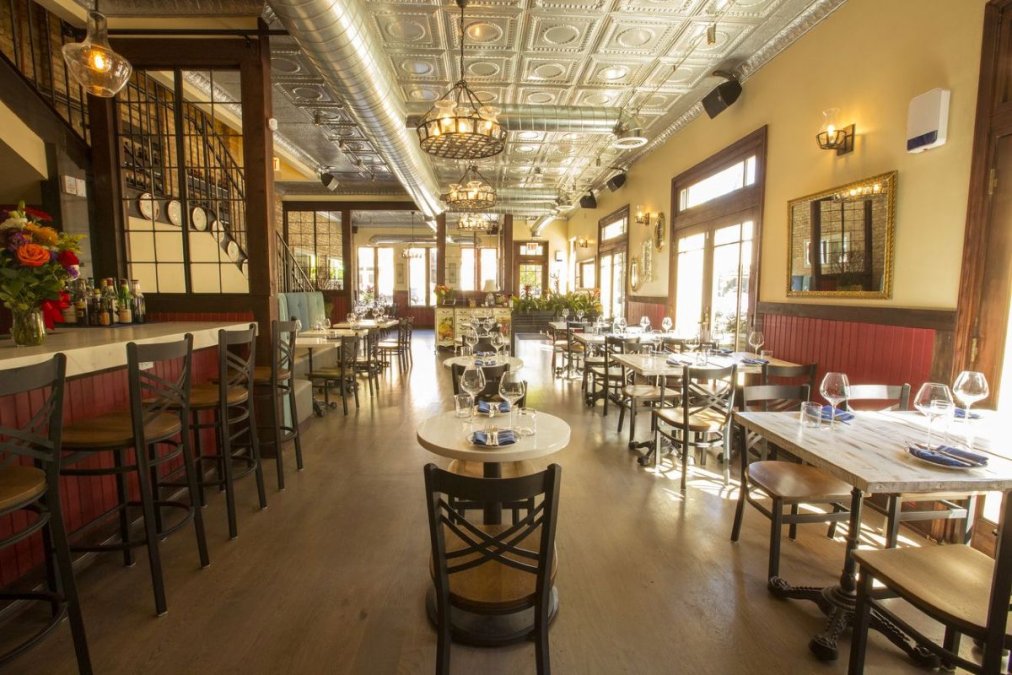
French Mediterranean Patio Restaurant In Chicago
At Le Sud Mediterranean Kitchen, we cook this way every night in Roscoe Village, and we have watched the definition shift. Diners now ask where the fish was caught and whether the tomatoes came from a farm or a truck. That question shapes the modern French Mediterranean menu more than any single recipe.
The cuisine itself hasn't changed as much as the standards around it. What follows is a practical guide to the 2026 landscape: the defining ingredients, the dishes showing up on menus, pairing strategy, and the trends reshaping how this food reaches your table.
Authentic Mediterranean Cuisine Characteristics That Matter
Authentic Mediterranean cuisine characteristics come down to a short list: olive oil instead of butter, herbs instead of heavy sauce, fish and vegetables treated simply, and seasoning that lets an ingredient taste like itself. Get those right and the food reads as genuine. Skip them and no amount of plating hides it.
Provençal Herbs and Extra Virgin Olive Oil
The backbone of the southern French kitchen is a handful of dried herbs and a good bottle of oil. Herbes de Provence, a blend of thyme, rosemary, oregano, savory, and often lavender, seasons everything from roasted lamb to grilled vegetables. Extra virgin olive oil does the rest: finishing soups, dressing tomatoes, and replacing butter in most savory cooking.
What separates a serious kitchen from a casual one is restraint. A common mistake is over-herbing a dish until every bite tastes the same. The best cooks use one or two herbs per plate and let the olive oil carry the finish.
Fresh Seafood and Seasonal Produce
Coastal menus live and die by what came in that morning. Sea bass, branzino, sardines, and shellfish anchor the protein side, while tomatoes, eggplant, zucchini, peppers, and artichokes carry the vegetable side. In practice, this means the menu should change with the season, not just rotate a special.
If a restaurant serves the same twelve dishes in January and July, the produce isn't driving the kitchen. It's decoration.
French Mediterranean Bistro Menu Examples for 2026
A French Mediterranean bistro menu in 2026 balances small plates, a tight seafood section, and wood-fire grilled meats. What separates a 2026 menu from a 2016 one is the ratio, more vegetable-forward plates, fewer starch-heavy entrées, and a fresh fish.
Appetizers and Small Plates
The opening course sets the tone, and tapas-style service has moved into the French bistro format. Expect:
- ESCARGOTS AU CHABLIS Baked Burgundy Snails, Garlic Herb Butter, White Wine, Grilled Baguette
- MUSSELS PROVENÇALE Steamed Mussels, Garlic, White Wine, Tomato, Fresh Herbs, Grilled Baguette
CROQUETTES Smoked Ham, Gruyère, Herbes de Provence, Lemon Garlic Aioli
BURRATA Baby Arugula, Heirloom Tomatoes, Basil Pesto, Grilled Baguette (V)
SALADE MAISON Mixed Greens, Seasonal Fruit, Walnuts, Red Onion, Cherry Tomato, Baked Goat Cheese Baguette, Honey Balsamic Vinaigrette
Main Courses and Signature Dishes
The center of the plate favors seafood and Poulet Roti Toasted Chicken classics. Herb-crusted branzino, bouillabaisse, and daube, a Rack of Lamb are the workhorses. Confit techniques show up on duck and sometimes vegetables, and braising handles the tougher cuts that reward patience.
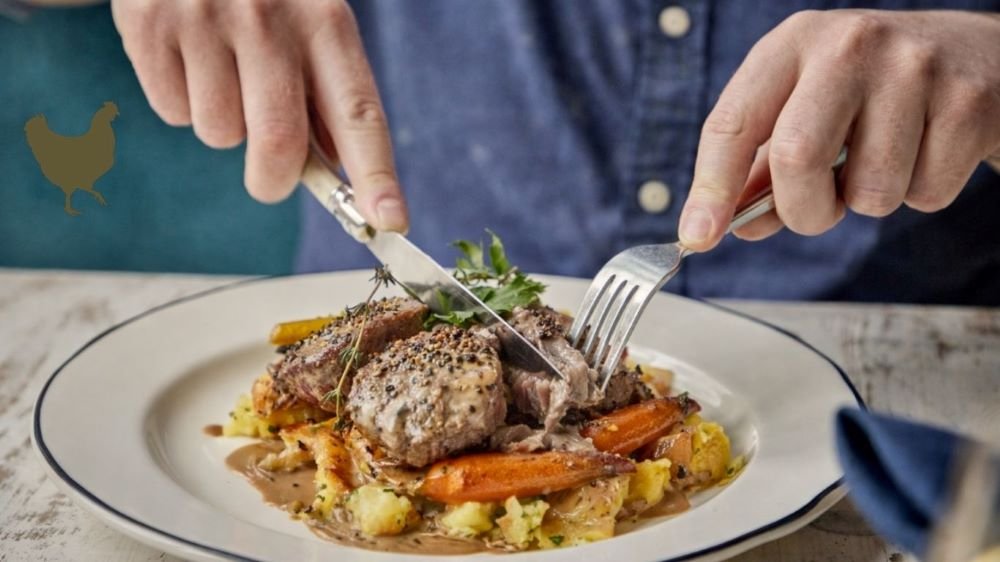
STEAK AU POIVRE Peppercorn Crusted Tenderloin Medallions, Green Beans, Smashed Potatoes, Cognac Cream
- Bouillabaisse with a saffron broth and a rouille served on the side
PROVENCAL DUCK BREAST Crispy Polenta, Greens, Orange Honey Sauce
PAN-SEARED BARRAMUNDI Australian Wild Caught, Fondant Potato, Wild Mushrooms, Peas, Herb Butter Sauce
POULET RÔTI Roasted Joyce Farms Chicken, Golden Potatoes, Roman Artichokes, Lemon, Garlic, Fresh Herbs
AU GRATIN POTATOES Mozzarella, Provolone, Gruyère Cheese, Maître D’ Butter
Desserts and the Closing Course
Dessert in this tradition is lighter than the northern French pastry canon. Expect fruit-forward finishes, olive-oil cakes, and small portions that don't undo the meal:
Crème Brûlée Velvety honey lavender crème brûlée with a delicate floral aroma and a crackling caramelized sugar top. Sweet, creamy, and elegantly fragrant
Bread Pudding Chefs seasonal house-made bread pudding. Served with vanilla ice cream. Rich, tender, and indulgent
- Sorbet in seasonal fruit flavors
Best Practices for French Mediterranean Wine Pairing
The best practices for French Mediterranean wine pairing start with one rule: match the weight of the wine to the weight of the dish, then match the region to the food. Provençal rosé with grilled fish, a crisp white with shellfish, and a light red with braised meat covers most of the menu.
A few guidelines that hold up in practice:
Dish Type | Wine Style | Why It Works |
|---|---|---|
Grilled fish, shellfish | Dry rosé, crisp white | Acidity cuts richness, citrus notes echo the finish |
Herb-crusted meats | Light red, Côtes du Rhône | Herbal notes mirror the seasoning |
Braised dishes | Fuller red, Bandol | Tannin stands up to slow-cooked depth |
Vegetable-forward plates | Mineral white, Provençal rosé | Keeps the plate feeling light |
Sustainable Sourcing and Farm-to-Table Metrics
Sustainable sourcing has moved from marketing language to a measurable standard. Farm-to-table metrics now include how far an ingredient traveled, whether the fish came from a managed fishery, and how much of the menu changes with the season.
Dietary Adaptation: Vegan and Gluten-Free Options
Dietary adaptation is no longer a favor a kitchen does on request. In 2026, a French Mediterranean menu is expected to carry real vegan and gluten-free options as part of the core list, not as substitutions.
A few things to look for:
- Dishes labeled clearly rather than "ask your server"
- Olive oil and herb preparations instead of butter and cream
- Legume-based proteins, not just a plate of side vegetables
- Gluten-free bread available, not promised
Non-Alcoholic Pairing Trends and Home-Kitchen Scalability
Non-alcoholic pairing has become a genuine part of the menu rather than a consolation prize. In 2026, zero-proof aperitifs, sparkling botanical drinks, and citrus-forward sodas sit alongside the wine list, and many diners alternate between the two across a meal. The shift is driven by a simple reality: a table where one person isn't drinking shouldn't feel like a table where one person is being punished.
What a Serious Zero-Proof List Looks Like
A well-built non-alcoholic pairing follows the same logic as wine, match weight and acidity to the dish. A few pairings that hold up:
Dish Type | Zero-Proof Pairing | Why It Works |
|---|---|---|
Grilled fish, shellfish | Sparkling water with lemon and rosemary | Acidity and aromatics echo the citrus finish |
Herb-crusted meats | Verjus spritz or a bitter herbal tonic | Tannic-like grip mirrors the herbs |
Braised dishes | Roasted barley or chicory-based brew | Toasted depth stands up to slow-cooked richness |
Vegetable-forward plates | Cucumber-basil soda or a light kombucha | Keeps the plate feeling fresh and clean |
Home-Kitchen Scalability
Home cooks can borrow the same logic. The techniques that define this cuisine, braising, confit, and simple grilling, scale down to a home kitchen without special equipment. A single good olive oil, a jar of herbes de Provence, and a hot pan get you most of the way there.
A few practical adaptations for the home cook:
- Braising works in a Dutch oven at 300°F for two to three hours; the same technique that handles a restaurant daube handles a weeknight short rib.
- Confit doesn't require duck fat by the gallon, a small jar and a low oven (around 225°F) will confit a few legs at a time.
- Grilling over high heat for a short time is the fastest way to get a restaurant-quality finish on fish; a cast-iron pan works when a grill isn't available.
- Herb blends should be bought in small quantities and replaced every few months, dried herbs lose their punch fast.
Frequently Asked Questions
What are some examples of French Mediterranean dishes?
French Mediterranean menus typically feature dishes like bouillabaisse, ratatouille, salade niçoise, and tapenade. In 2026, many restaurants are adding herb-crusted fish, braised lamb with Provençal herbs, and vegetable-forward small plates. These dishes emphasize extra virgin olive oil, fresh seafood, and seasonal produce, reflecting the coastal cuisine traditions of southern France.
What defines authentic French Mediterranean cuisine?
Authentic French Mediterranean cuisine is defined by its use of fresh, local ingredients like Provençal herbs, extra virgin olive oil, and seafood from coastal waters. It combines French culinary techniques with Mediterranean flavors, focusing on simplicity and quality. Dishes often feature seasonal produce and are prepared with methods like braising, confit, and grilling to highlight natural flavors.
How has French Mediterranean dining evolved for 2026?
In 2026, French Mediterranean dining has embraced sustainability, with more restaurants tracking farm-to-table metrics and sourcing artisan ingredients locally. Dietary adaptations like vegan and gluten-free options are now standard, and non-alcoholic pairings have gained popularity. Menus also reflect a trend toward smaller, tapas-style plates and refined plating aesthetics that emphasize vibrant flavors.
How to pair wines with French Mediterranean dishes?
Pairing wines with French Mediterranean dishes follows best practices like matching lighter whites with seafood and rosé with vegetable dishes. For herb-crusted or braised meats, a medium-bodied red works well. In 2026, sommelier selections often highlight terroir-driven wines from southern France, and non-alcoholic options like herbal infusions are increasingly popular for those seeking alternatives.