 comparison
French Food vs Mediterranean Food in Chicago
Table of Contents
- French Food vs Mediterranean Food: What Sets Them Apart
- The Mediterranean Diet Influence on French Cooking
- Key Differences in Ingredients and Cooking Techniques
- Signature Dishes from Each Culinary Tradition
- Provençal Cuisine: Where French and Mediterranean Meet
- What to Expect at a French-Mediterranean Restaurant in Chicago
- Finding Mediterranean Restaurants in Chicago: A Neighborhood Guide
- Conclusion: Choosing Your Next Dining Experience
- Frequently Asked Questions
Last Updated: October 12, 2026
French Food vs Mediterranean Food: What Sets Them Apart
French food is a cuisine built on technique and sauce, while Mediterranean food is a broader tradition defined by olive oil, fresh vegetables, and the cooking of the coasts that ring the sea. In Chicago, that difference shows up on the plate fast: one leans on butter and stock, the other on oil, lemon, and herbs.
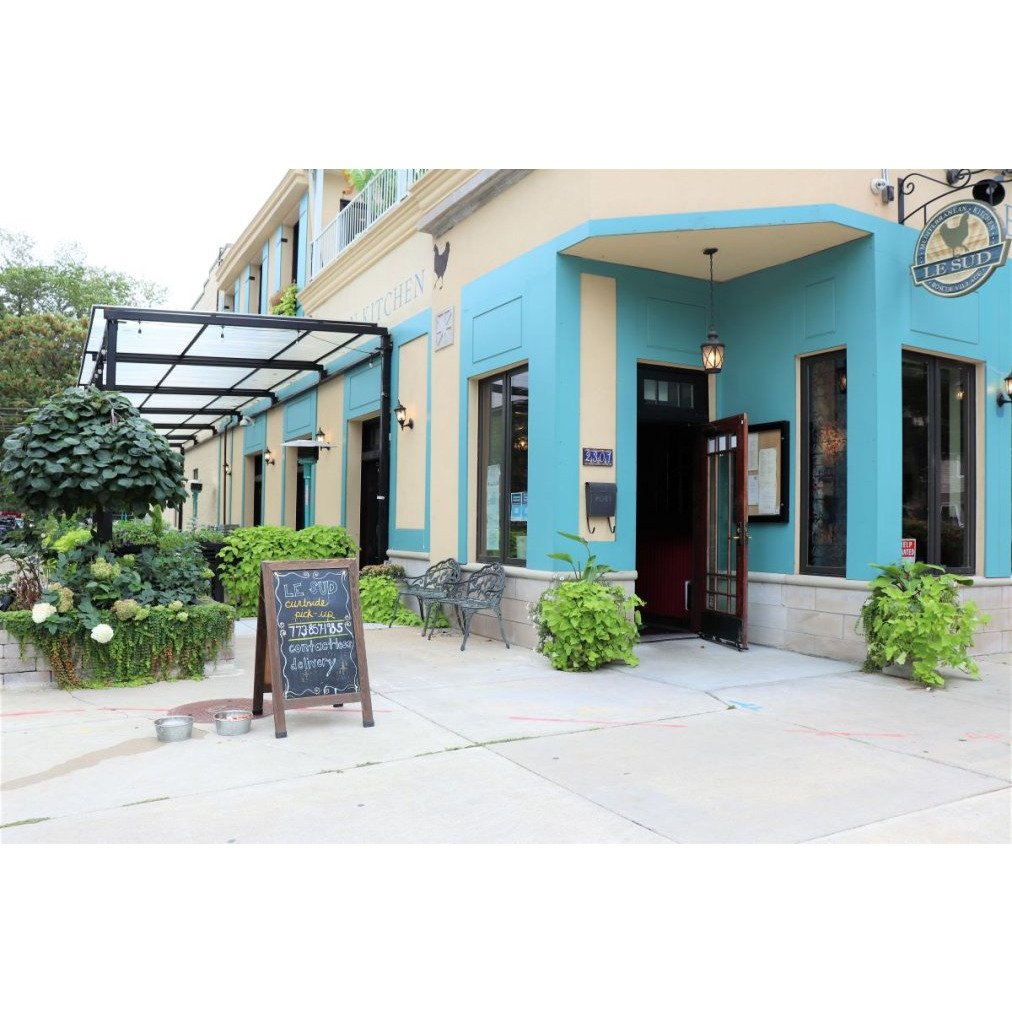
At Le Sud Mediterranean Kitchen in Roscoe Village, we cook where those two worlds overlap, so we have a clear view of both. Below, we break down the ingredients, the signature dishes, and the neighborhoods where you can taste the contrast for yourself.
The distinction matters more than most diners expect.
French cooking, as defined by the traditional French culinary canon, is a discipline of mother sauces, precise reductions, and rich foundations. Mediterranean cooking is a family of regional traditions, from Provence to Greece, that share olive oil, seafood, and produce as their base. Neither is better. They simply answer different questions.
The Mediterranean Diet Influence on French Cooking
Southern French cooking has always been Mediterranean at heart. The olive oil, tomatoes, and herbs of Provence came long before anyone called it a diet.
The Mediterranean diet is a pattern of eating that emphasizes olive oil, fish, vegetables, legumes, and whole grains over red meat and butter. It is not a French invention, but the south of France practices it naturally. The American Heart Association notes that this eating pattern is associated with heart health, which is one reason it gained global attention.
So the two cuisines are not opposites. They are relatives who grew up in different kitchens.
Key Differences in Ingredients and Cooking Techniques
The clearest line between the two runs through the fat in the pan. French cooking builds flavor with butter, cream, and stock. Mediterranean cooking builds it with olive oil, garlic, and citrus.
Technique differs too:
- French: sautéing, deglazing, reducing, emulsifying
- Mediterranean: grilling, roasting, marinating, serving raw
- French sauces: hollandaise, béchamel, bordelaise
- Mediterranean flavor: lemon, oregano, thyme, capers
Butter, Herbs, and Olive Oil: The Building Blocks
Butter gives French food its roundness. Olive oil gives Mediterranean food its brightness. Swap one for the other and you change the entire character of a dish, even with identical ingredients.
Herbs follow the same logic. French cooking leans on fines herbes, tarragon, and chervil. Mediterranean cooking reaches for oregano, rosemary, and basil.
| Element | French Tradition | Mediterranean Tradition |
|---|---|---|
| Primary fat | Butter, cream | Olive oil |
| Flavor base | Stock, wine, shallots | Garlic, lemon, tomato |
| Cooking style | Sauces and reductions | Grilling and raw |
| Signature herb | Tarragon, chervil | Oregano, rosemary |
| Best for | Rich, cozy dinners | Light, shared plates |
Signature Dishes from Each Culinary Tradition
Order by tradition and the menus separate themselves. French plates tend to arrive composed and sauced. Mediterranean plates tend to arrive simply dressed and shareable.
Classic French dishes include coq au vin, boeuf bourguignon, duck confit, and crème brûlée. Mediterranean staples include ratatouille, grilled branzino, hummus, tabbouleh, and lamb with herbs.
Notice that ratatouille sits in both worlds. That is not a coincidence.
Provençal Cuisine: Where French and Mediterranean Meet
Provençal cuisine is the cooking of southeastern France, and it is the clearest bridge between French technique and Mediterranean ingredients. It uses olive oil instead of butter, tomatoes and anchovies instead of cream, and herbs de Provence instead of heavy spice.
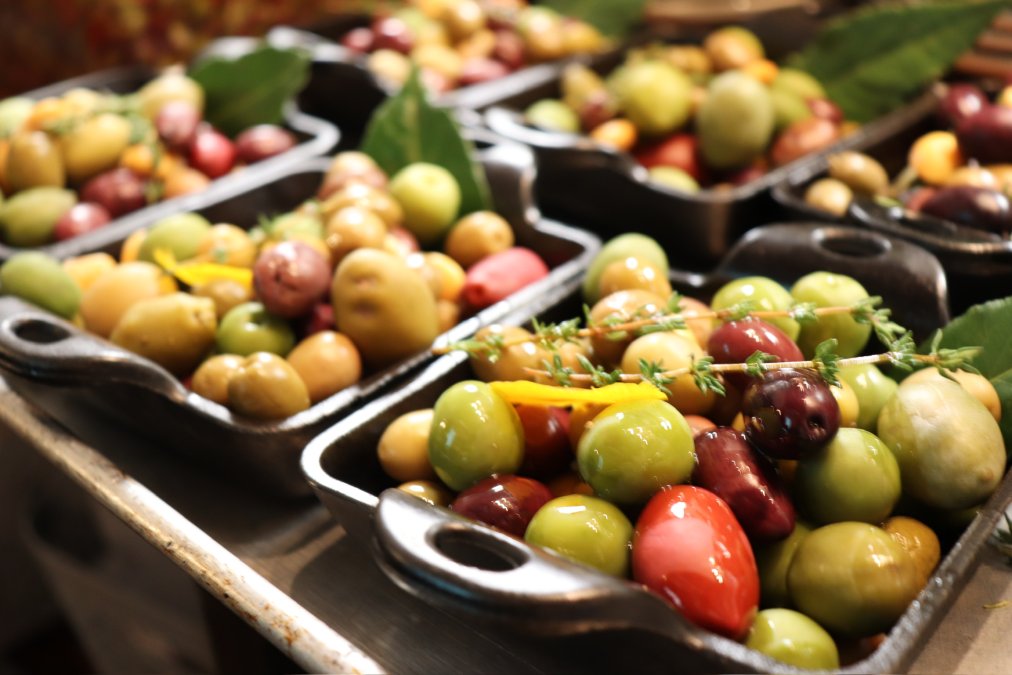
This is the food we cook at Le Sud. A dish like ratatouille gets French precision in the knife work and Mediterranean honesty in the seasoning. Neither tradition has to win.
What to Expect at a French-Mediterranean Restaurant in Chicago
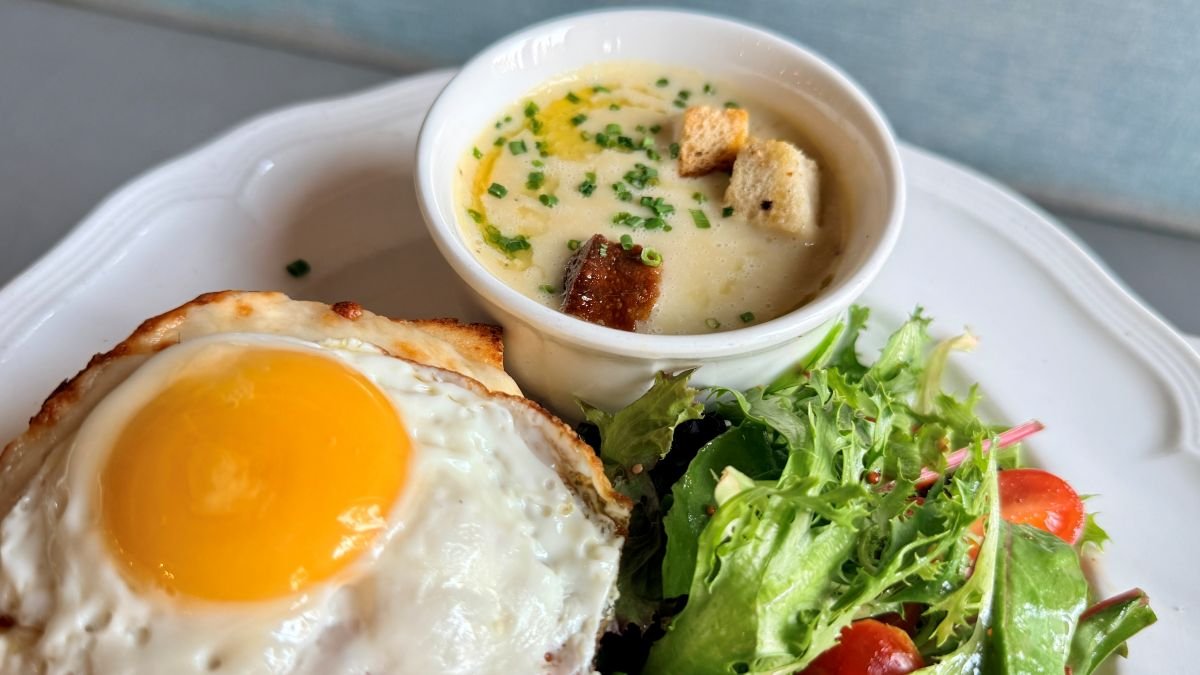
A French-Mediterranean restaurant serves dishes that borrow technique from France and ingredients from the Mediterranean coast. Expect olive oil on the table, sauces that are lighter than classical French, and a menu that moves easily from brunch to dinner.
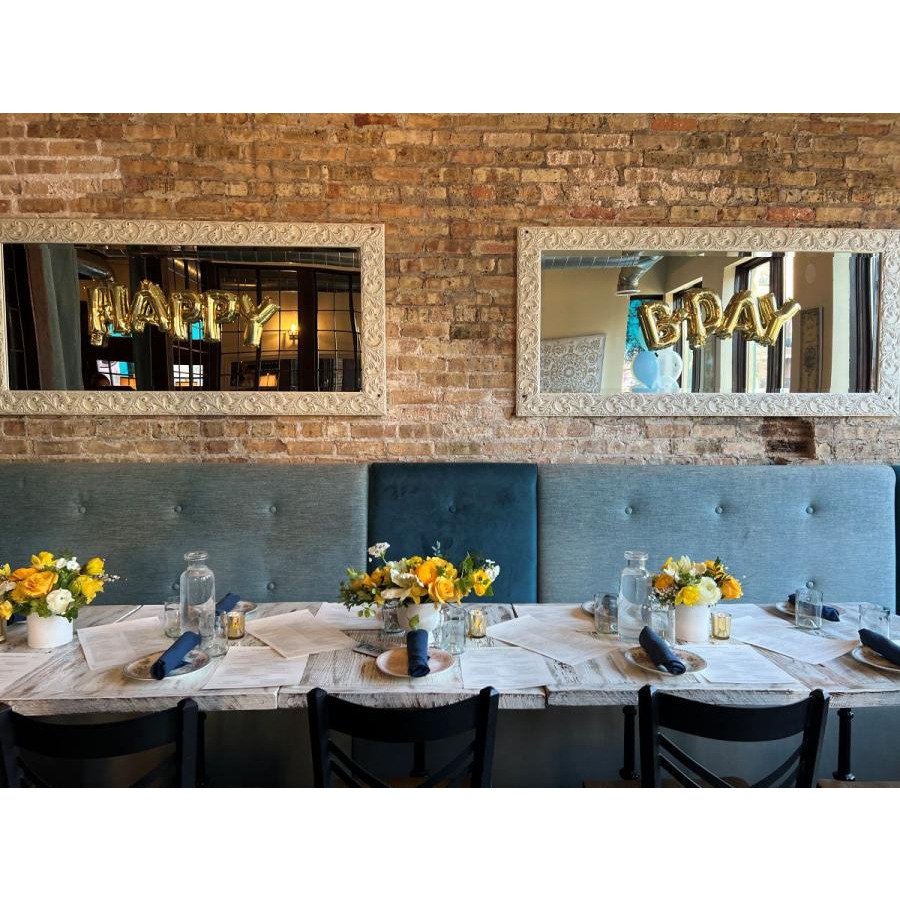
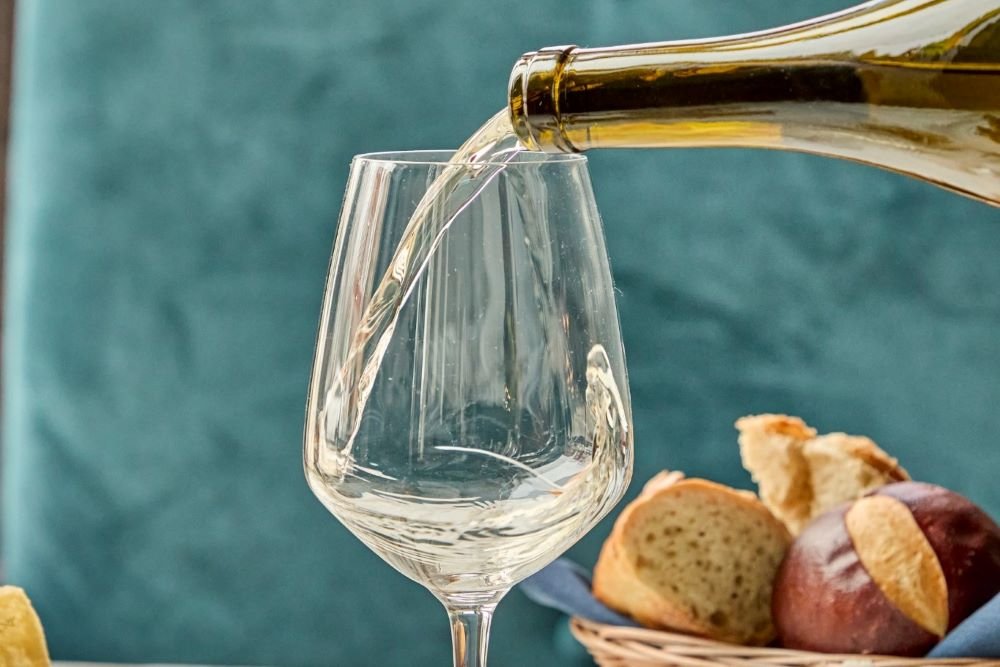
At Le Sud Mediterranean Kitchen, that means a bistro atmosphere with a winter sunroom and a four-seasons patio, plus curated wine tastings for guests who want to learn without pressure. Families fit in at weekend brunch, and private dining is available for gatherings.
Finding Mediterranean Restaurants in Chicago: A Neighborhood Guide
If you are coming from the suburbs, Roscoe Village is easy to reach and feels like a neighborhood rather than a destination.
Conclusion: Choosing Your Next Dining Experience
The choice between French food and Mediterranean food comes down to mood. Pick French when you want richness, sauce, and ceremony. Pick Mediterranean when you want brightness, olive oil, and food that feels lighter on a warm evening.
You do not have to choose at Le Sud Mediterranean Kitchen. Our menu sits in the Provençal overlap, with French-Mediterranean cuisine, curated wine tastings, a winter sunroom, a four-seasons patio, and private dining for everything from a quiet date night to a milestone celebration.
Reservations are open, and we would love to host your next table.
Frequently Asked Questions
What is the difference between French food and Mediterranean food?
French food often relies on butter, cream, and rich sauces, while Mediterranean cooking emphasizes olive oil, fresh vegetables, herbs, and seafood. French cuisine includes both heavier regional dishes and lighter coastal fare. Mediterranean food draws from Greek, Italian, Spanish, and North African traditions. The overlap happens in southern France, where Provençal cooking blends French technique with Mediterranean ingredients like tomatoes, olives, and herbs de Provence.
Is French food considered Mediterranean?
Southern French cuisine, particularly from Provence and the Côte d'Azur, is deeply Mediterranean. These regions use olive oil, tomatoes, anchovies, and fresh herbs similar to Greek and Italian cooking. Northern French cuisine leans more toward butter and cream, which is not typically Mediterranean. A French-Mediterranean restaurant in Chicago often highlights the southern style, combining French culinary precision with Mediterranean ingredients and a relaxed, sun-inspired approach to dining.
What dishes should I try at a French-Mediterranean restaurant in Chicago?
Start with a classic bouillabaisse or tapenade, then try ratatouille, coq au vin, or grilled branzino. Look for dishes that showcase both French technique and Mediterranean ingredients, like a Niçoise salad or herb-crusted lamb. Many French-Mediterranean menus in Chicago also feature fresh seafood, seasonal vegetables, and wine pairings that reflect the South of France. Ask your server for recommendations based on what is freshest that day.
What should I expect at a French-Mediterranean bistro in Roscoe Village?
You can expect a warm, inviting atmosphere that blends French bistro charm with Mediterranean hospitality. Many spots in Roscoe Village offer seasonal outdoor seating, curated wine lists, and menus that change with the seasons. The vibe is often relaxed yet refined, making it suitable for date nights, family brunches, or casual dinners. Look for restaurants that emphasize fresh ingredients, attentive service, and a neighborhood feel rather than a formal, stuffy environment.